


JEWELLERY MUSEUM II 2025. COMPLETE SILVER COLLECTION - PROOF
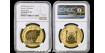
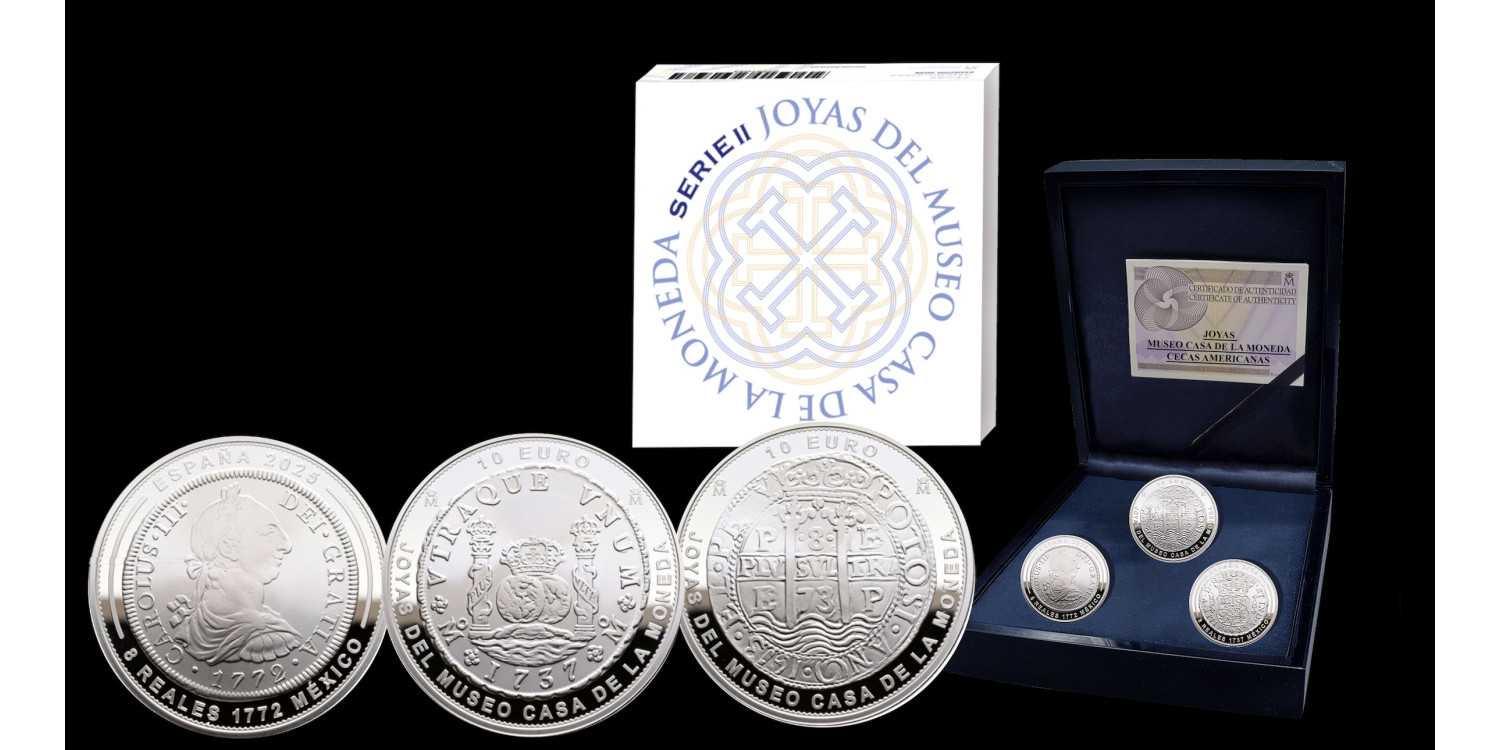
This collection consists of the three silver coins .927mml, 27 gr. and ø 36 mm, chosen for this series, all of which are unique pieces in the FNMT Museum.
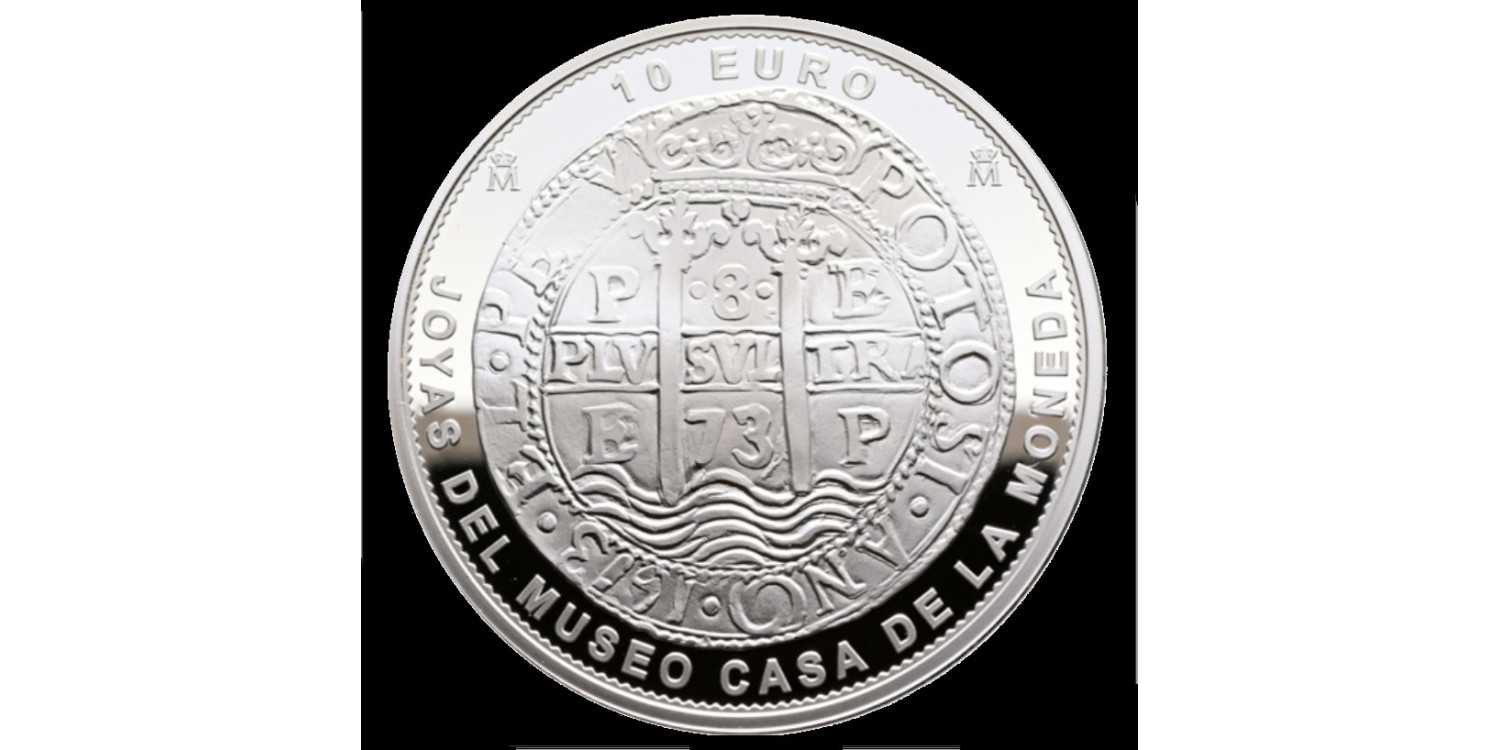
8 reales 1673 Charles II, minted at the CECA in Potosí.
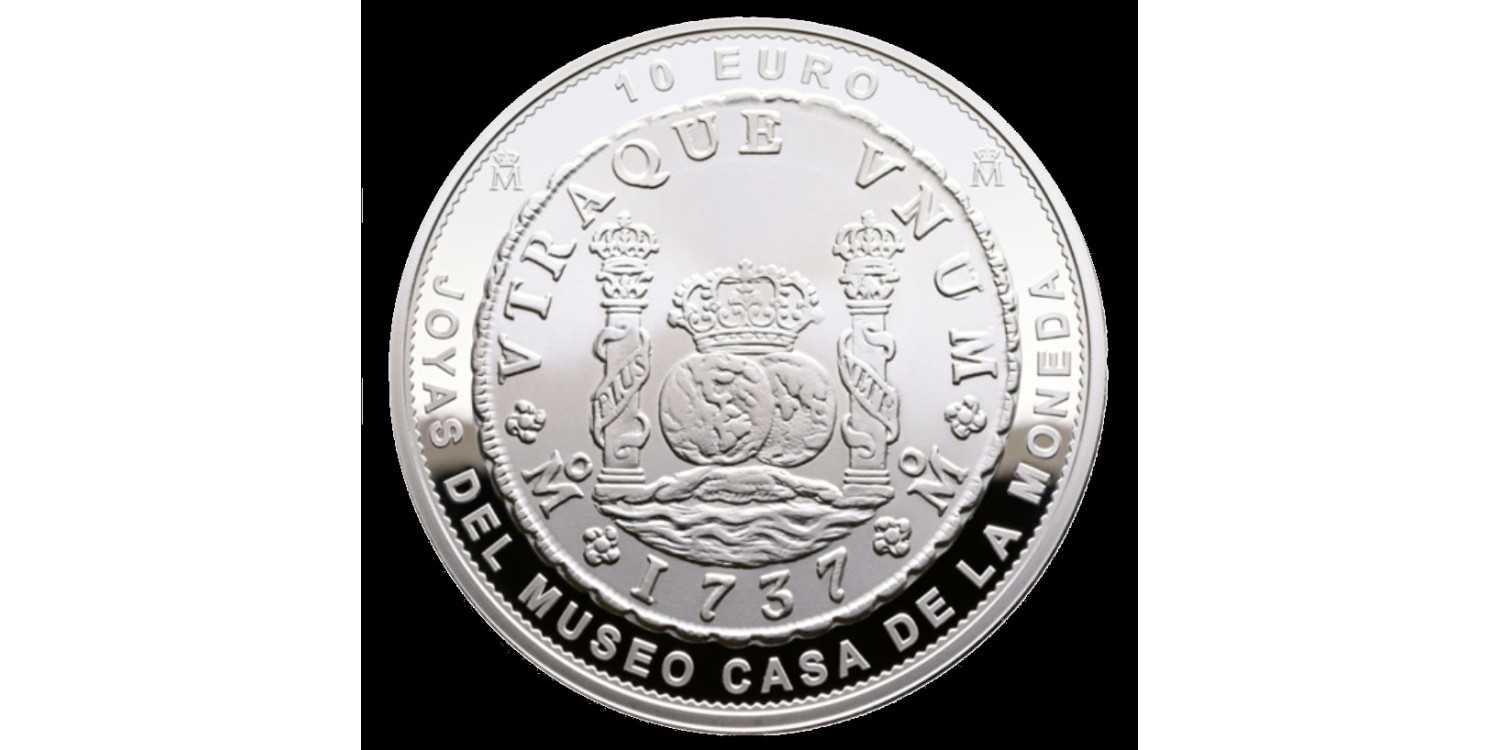
8 reales 1737 Felipe V, minted at the CECA in Mexico.
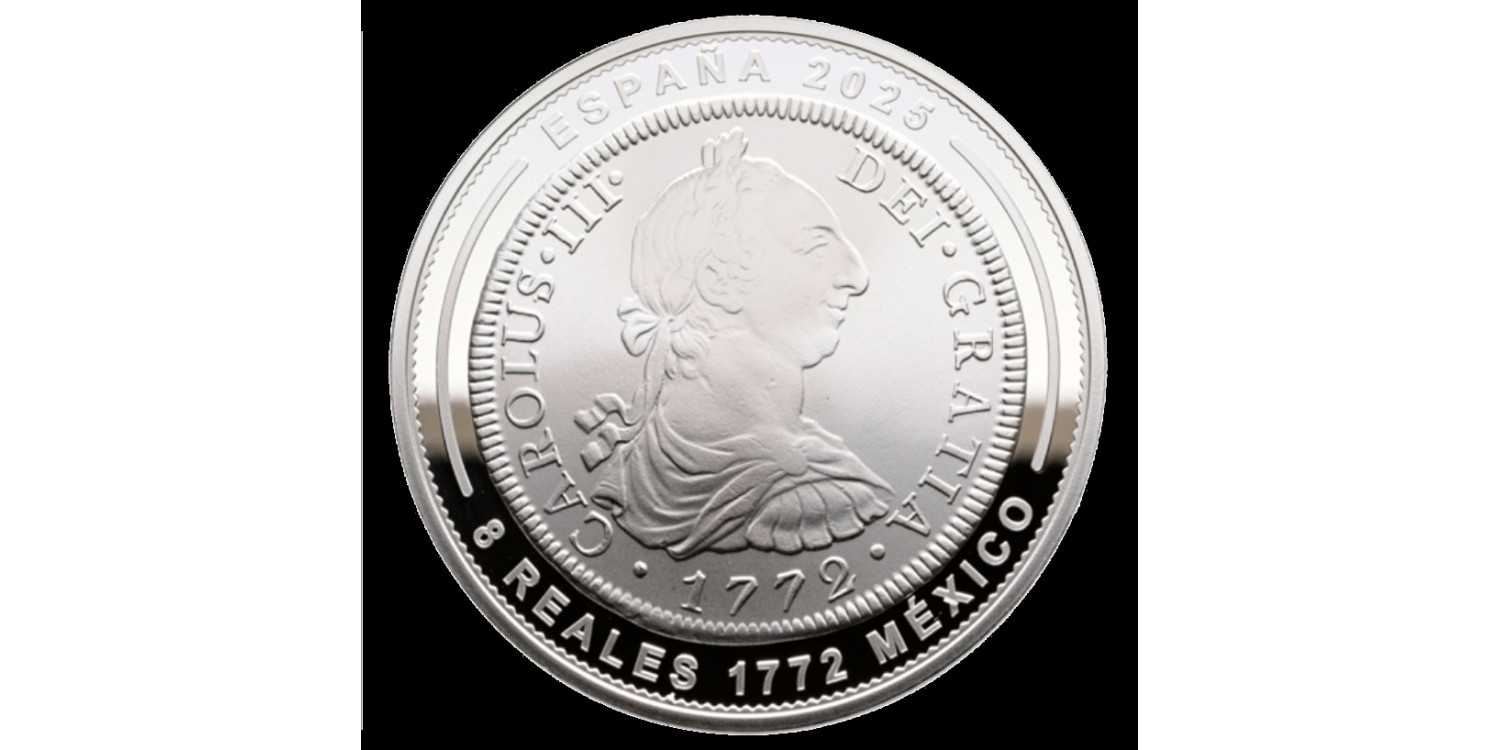
8 reales 1772 Carlos III, minted at the CECA in Mexico.
€420.00
(VAT incl.)
Reference:
FNMTJM25
8 reales 1673 Charles II Potosi. This 8 reales coin belongs to a special type of hammered coinage known as "galanos". According to historian Glenn Murray, these pieces were minted in the mints of Mexico, Lima and Potosí, with great care and in round blanks to satisfy the demand of silver merchants, who sold them to their select clientele. They were very different from ordinary coinage, round, with the types and legends intact, often with a hole in the top, because they were used as pendants. They are usually found in an excellent state of preservation. The obverse shows a quarter of castles and lions in a four-lobed border with a crown, to the left the mint mark P (Potosí), to the right the assayer's mark E, below it the abbreviated date: 673 and the circular legend: CAROLVS-II-DG-HISPANIARVM-REX (Charles II, by the Grace of God King of Spain). On the reverse we have the columns of Hercules on sea waves, on the left, between them: P (mint mark, Potosí) - 8 (value)- E (assayer mark: Antonio Ergueta) / PLV - SVL - TRA / E - 73 - P and the circular legend: POTOSI-ANO-1673-EL-PERV (same meaning as the last horizontal line). Diameter: 41,95 mm; weight: 25,7 g.
8 reales 1737 Philip V Mexico. Known as the Spanish dollar, the eight-real coin popularly known as the "columnario" was the most important coin of its time, seeing use around the world in both trade and everyday exchange. By virtue of a royal order in 1728, the minting of coins by means of a flywheel press was implemented, with the aim of obtaining uniform round coins and leaving behind the manufacture of macchina coins by hammer. In 1732 the first Mexican columnar coin was minted, so called because of its reverse design with the columns of Hercules on waves flanking two crowned hemispheres and the legend: +VTRAQUE VNVM+MO/1737/+MO. Our piece is dated 1737, on the obverse it has the royal coat of arms with castles and lions and the Bourbon escutcheon, on the left the assayers mark "MF" (Manuel de León and Francisco de la Peña y Flores), on the right the value mark "8" and the legend: +PHILIP-V-D-G-HISPAN-ET IND-REX.
8 reales 1772 Carlos III Mexico. One of the first pieces of 8 reales made after the monetary reform of 1771 which changed all the rates on the coins of Spain and America and introduced the portrait of the monarch on the silver and copper pieces. It also established distinctly defined rates for the so-called "provincial silver", reals that circulated on the peninsula made of lower-grade silver than the so-called "national silver" or "coarse silver" minted in America for overseas trade. These types were designed by the founder of the Mint Museum's collection and General Engraver of the Mint, Tomás Francisco Prieto. The obverse shows the bust of the monarch with heroic mantle and laurel wreath, and the legend: CAROLUS-III- - DEI-GRATIA / 1772. The reverse has the coat of arms crowned and quartered by castles and lions flanked by the Pillars of Hercules, which were distinctive of the aforementioned "national silver", with the legend: -HISPAN-ET IND-REX/-MO- (mint of Mexico) / 8R /-M-F- (assayers: Manuel de la rivera and Francisco Antonio de la Peña). Diameter: 41.47; weight: 26.8 g.
